Cabinet clears ₹1.86 lakh crore Green Energy Corridor-III with 50 GWh of battery storage
GEC-III will fund 51,126 ckm of state transmission lines and 50 GWh of battery storage to evacuate 135 GW of renewable power by FY 2032-33, tackling the grid bottleneck behind India's clean-energy curtailment.
India is adding solar and wind capacity faster than it can move that power to consumers. The Union Cabinet has now approved a large plan to close the gap. The Green Energy Corridor Phase-III (GEC-III) scheme, approved on 30 September 2026 with a total outlay of ₹1,86,405 crore, will strengthen state-level transmission networks to evacuate about 135 GW of renewable energy. It also funds 50 GWh of battery energy storage alongside the new lines and substations.
The official announcement links the scheme to India’s stated target of 900 GW of installed non-fossil capacity by 2035.
The numbers
GEC-III runs to FY 2032-33. Its outlay breaks down as follows:
| Component | Amount | |---|---| | Intra-State Transmission Systems (InSTS) | ₹1,36,378 crore | | Battery Energy Storage Systems (50 GWh) | ₹50,000 crore | | Total outlay | ₹1,86,405 crore |
Of this, the Centre will provide ₹54,082 crore as Central Financial Assistance (CFA):
- ₹45,005 crore for intra-state transmission systems
- ₹6,000 crore for battery storage through viability gap funding (VGF)
- ₹3,050 crore for committed liabilities from earlier GEC phases
- ₹27 crore for programme management and grid studies
Financial Express reporting on 1 October puts the physical targets at about 51,126 circuit kilometres of new transmission lines and 2,28,903 MVA of transformation capacity across states.
Why intra-state transmission is the bottleneck
India's renewable buildout has been concentrated in a handful of resource-rich states, such as Rajasthan, Gujarat, Karnataka, Tamil Nadu and Andhra Pradesh. The inter-state transmission system (ISTS), built by central utilities, carries bulk power between regions. A great deal of solar and wind capacity, however, connects to state grids, and many state transmission utilities lack the money to build the substations and lines needed ahead of demand.
The result is congestion, delayed connections and, increasingly, curtailment: solar and wind plants told to cut output during the middle of the day because the grid cannot absorb or move the power. GEC-III targets this problem directly by co-funding state networks, so renewable plants connecting at the state level are not stranded.
Storage enters the corridor
The bigger change in Phase III is the 50 GWh of battery storage. The government says the batteries can be placed at the renewable developer's or generator's end, or at any other location important for grid flexibility. They are intended to:
- smooth the intermittency of solar and wind,
- relieve congestion on transmission lines,
- reduce peak-hour curtailment, and
- meet non-solar-hour demand, especially the evening peak, when solar output falls just as household demand rises.
This marks a shift in thinking. Earlier phases treated the problem mainly as one of wires. GEC-III accepts that a renewables-heavy grid also needs to shift energy across time, not just move it across distance. Batteries next to transmission assets can defer some line upgrades, absorb midday surplus and release it after sunset.
The ₹6,000-crore VGF component is meant to make these storage projects bankable while battery costs keep falling. It also builds on India's existing storage tenders. The planned 50 GWh is a deployment target over the scheme’s life, not storage already installed.
How earlier phases performed
The Green Energy Corridor began more than a decade ago. Across the programme so far, about 9,856 ckm of intra-state transmission lines and 24,300 MVA of substation capacity have been commissioned. Phase II alone was approved at ₹12,031.33 crore to integrate around 20 GW of renewable capacity across seven states, with the Centre funding 33% of project cost.
Phase III is about fifteen times larger than Phase II by outlay. That reflects both the size of India's renewable targets and how far grid investment has lagged behind generation.
Why it matters
For energy security. Every gigawatt of solar or wind that is curtailed is clean power wasted, often replaced by coal. Better transmission and storage raise the effective output of capacity India has already paid for.
For manufacturing. The government expects the scheme to create jobs in manufacturing, construction and energy storage. A planned pipeline of 50 GWh of BESS demand helps domestic battery-cell and pack makers, many of whom are building gigafactories under the production-linked incentive scheme, plan capacity with more confidence. Demand for transformers, conductors and switchgear will also rise.
For climate goals. The scheme is key to India reaching its 2030 target of 500 GW non-fossil capacity and the longer-term 900 GW ambition Vaishnaw cited.
For deep-tech opportunities. Large storage fleets need sophisticated battery-management systems, grid-forming inverters, forecasting software and AI-driven dispatch, areas where Indian energy-tech start-ups are increasingly active.
What to watch
The main risk is execution. Intra-state projects depend on state utilities' ability to tender, acquire right-of-way and build on schedule, and these are areas where earlier phases sometimes slipped. The design of the VGF auctions for batteries, the mix of storage durations they favour, and whether domestic content rules apply will shape who benefits. How quickly states file detailed project reports will be the first sign of whether GEC-III's ambitions turn into steel and silicon on the ground.
Sources
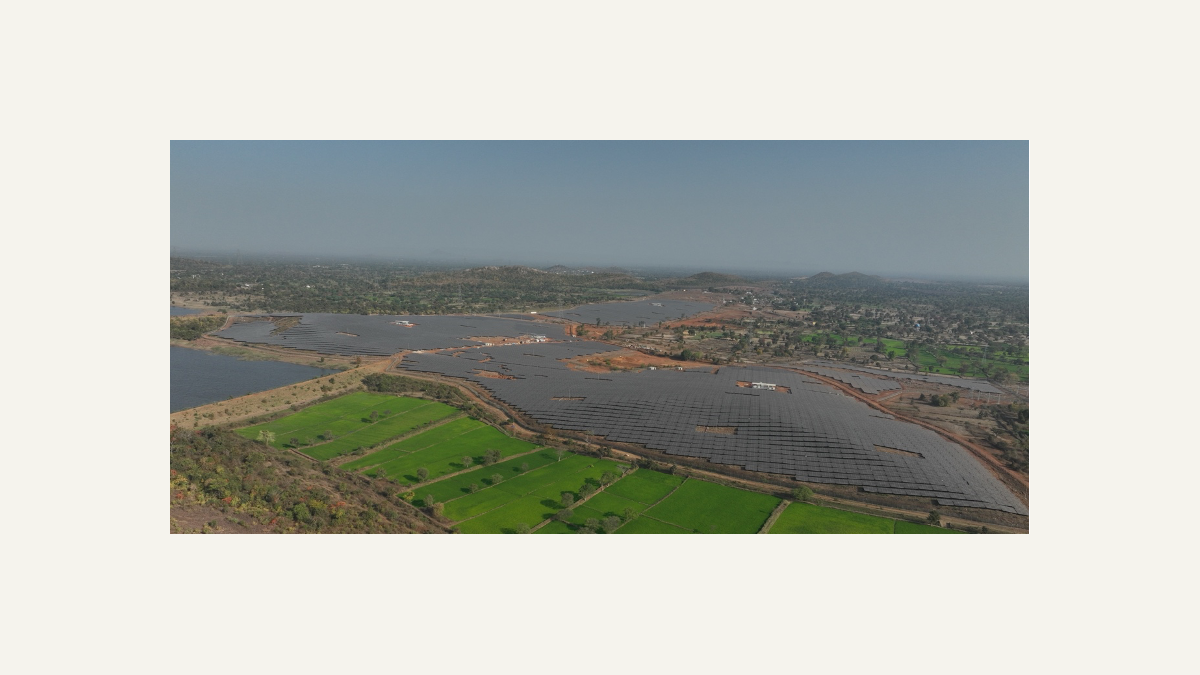
Image: SECI. Existing Rajnandgaon solar-plus-storage project in Chhattisgarh, shown as context for renewable-grid integration; not a newly built GEC-III project. Original source.