Sagar Defence's Armed Robot Boats Put India in a Very Small Club
A Pune startup's autonomous, gun-armed surface drones — capable of 50 knots and operating through GPS denial — are heading to the Indian Navy under an iDEX order for a 12-boat swarm. It is India's first serious attempt to combine autonomy with lethal force at sea, and a case study in how the iDEX pipeline turns garage prototypes into warfighting kit.
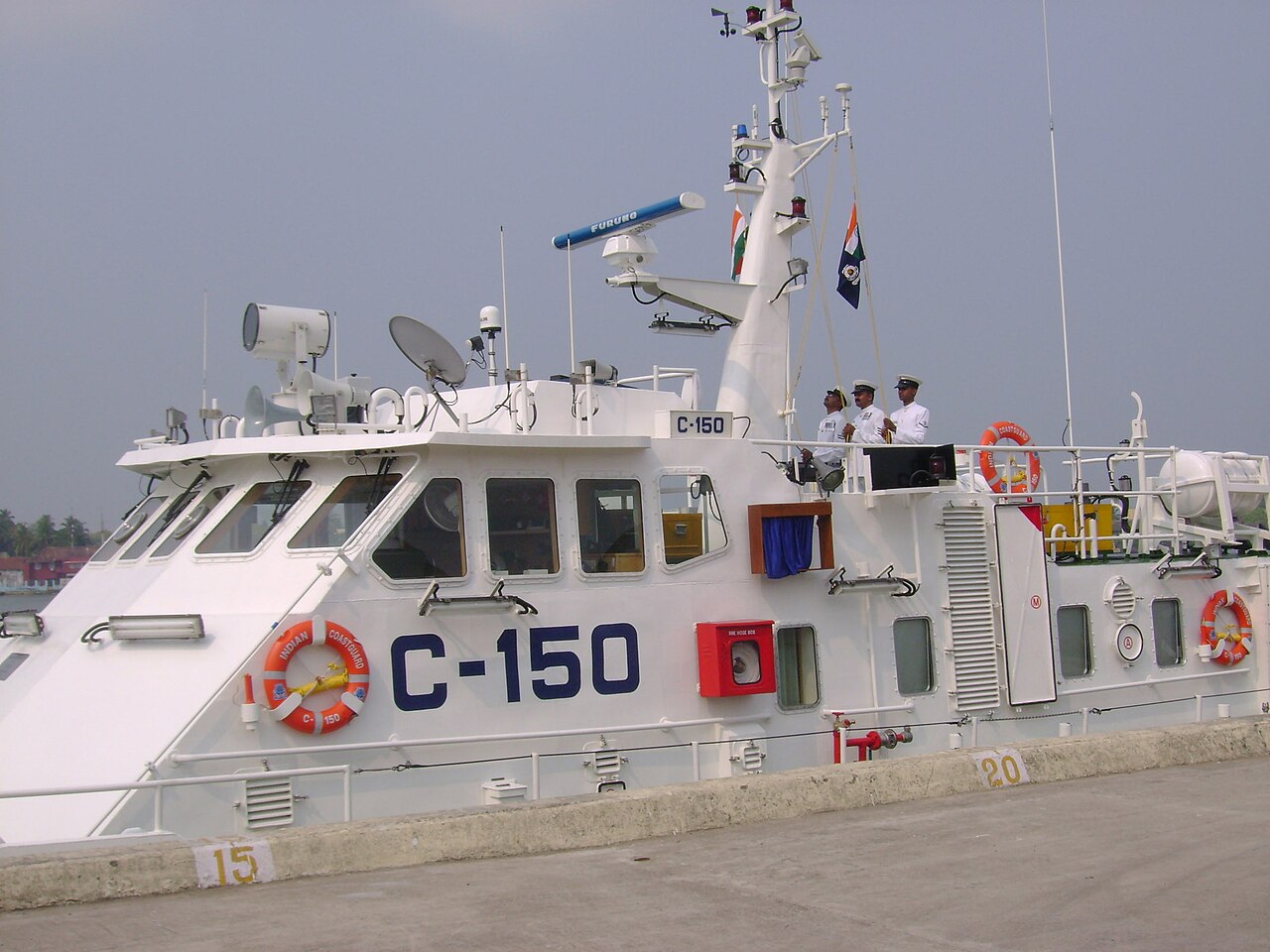
Most defence-tech demos age badly. The one Sagar Defence Engineering has been running in Mumbai's coastal waters does not: a low-slung boat, no crew aboard, weaving at speed and slewing a remote-controlled machine gun onto target — by itself.
What was ordered
Under the Navy's iDEX innovation route, Sagar Defence Engineering — a Pune-based startup — is supplying an Autonomous Weaponised Boat Swarm, with the service moving on an order for 12 craft. Each unmanned surface vessel (USV) is built to sprint at up to 50 knots, run day-and-night electro-optical and radar tracking, and carry a 12.7mm stabilised remote-controlled gun. Crucially, the boats are designed to keep operating through GPS denial — navigating and coordinating when an adversary jams or spoofs satellite signals, which is exactly what happens in a real fight.
Why it is a milestone
Plenty of countries fly armed aerial drones. Far fewer field armed, autonomous naval drones — surface craft that can patrol, identify and, under the right rules of engagement, engage without a human on board. The war in the Black Sea, where cheap Ukrainian USVs have damaged and sunk far costlier warships, rewrote the maths of sea control. Sagar Defence's swarm moves India into that small group developing the capability, and it does so with an indigenous stack rather than imported autonomy.
The doctrine fit is obvious. In the Indian Ocean Region, the Navy faces a numerically growing PLA Navy and a long coastline to watch. A swarm of expendable, fast, sensor-laden boats is a way to add mass cheaply — for harbour defence, choke-point interdiction, ISR and constabulary tasks — while keeping sailors out of the most dangerous engagements.
The startup-to-warfighter pipeline
The more durable story here is the mechanism. iDEX (Innovations for Defence Excellence) was built to do exactly this: fund a startup's prototype, give it access to a service as a development partner, run trials, and convert success into a production order. Sagar Defence is one of its showcase graduations — from concept to sea trials to a multi-boat naval order.
For investors, that pipeline is the asset. A single order is modest revenue; a repeatable path from prototype to fielded system is a franchise. The defensible moats in autonomous maritime systems are the autonomy software, the sensor-fusion stack and — increasingly — the ability to coordinate many platforms as one swarm under contested communications. Hardware can be copied; a proven, certified, GPS-denial-resilient autonomy stack is far stickier.
What to watch
The signals that matter next are: how quickly the 12-boat order converts into accepted, fielded units; whether the Navy expands the buy or pushes the design toward larger, longer-endurance USVs; and whether Sagar Defence can productise its autonomy for adjacent buyers — coast guard, port security, even civil offshore. Get those right, and an early iDEX win becomes a platform business.