CDIL Confirms Commercial Chip Production, Partners With Japan's Shindengen on Packaging
Continental Device India Ltd (CDIL), one of India's oldest chipmakers, confirmed commercial-scale semiconductor production and a new packaging partnership with Japan's Shindengen Electric at SEMICON India 2026.
Manik Gupta
Founder and editor of DeepTech India. Manik writes about India's frontier technology ecosystem — AI, semiconductors, space, quantum, robotics and biotech — translating research and policy into clear, reliable reporting.
A One-Line Announcement With a Six-Decade Backstory
Among the flurry of deals announced on the opening day of SEMICON India 2026 in New Delhi on September 17, 2026, one line was easy to miss: commercial production of CDIL semiconductors was confirmed, alongside a new association with Japan's Shindengen Electric Manufacturing Company for package development. It arrived bundled with dozens of other MoUs and announcements as part of roughly ₹1 lakh crore in investment commitments unveiled on SEMICON's first day — but for CDIL, a company that has been quietly manufacturing chips in India since before most of the country's current semiconductor push existed, it is a meaningful next step.
Who CDIL Is
Continental Device India Ltd (CDIL) pioneered silicon semiconductor chip and device manufacturing in India in 1964, making it one of the oldest continuously operating chipmakers in the country — a fact that stands out sharply against the backdrop of India's semiconductor mission, which is largely built around brand-new fabs from Tata Semiconductor Manufacturing, Micron, Kaynes Semicon and CG Semi. CDIL runs four semiconductor manufacturing units split between Delhi and Mohali, and holds ISO 9001, IATF 16949 and ISO 14001 certifications, reflecting its position as an established automotive and industrial component supplier rather than a startup.
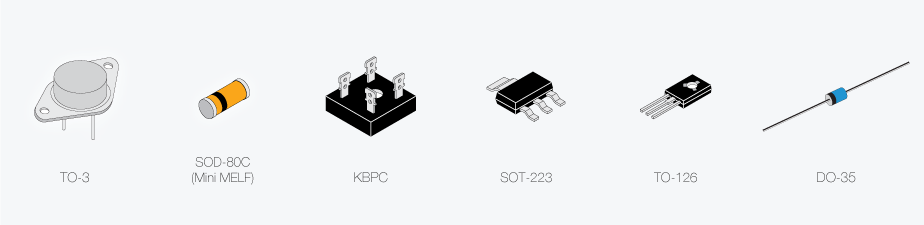
The company's more recent claim to attention is silicon carbide (SiC). CDIL says it was the first Indian company to begin production of SiC devices, a wide-bandgap semiconductor material used in power management components for electric vehicles, solar power systems, and other applications where efficiency and heat tolerance matter more than raw switching speed. That capability was anchored by a new Surface Mount Semiconductor Packaging Line at CDIL's Mohali plant, inaugurated with a versatile SMA and SMB package configuration, which pushed the plant's annual manufacturing capacity to around 600 million units.
What's New This Week
What SEMICON India 2026 added to that picture is two things: confirmation that CDIL's semiconductor production has now moved to commercial scale, and a new association with Shindengen Electric Manufacturing, a Tokyo-based company that makes power semiconductor devices, electric power systems and automotive electronics. The stated focus of the CDIL-Shindengen association is package development — the engineering work of encasing a semiconductor die in the housing that protects it, manages heat, and connects it electrically to a circuit board, which is often the difference between a chip that works in a lab and one that survives years of automotive or industrial use.
Public details beyond that single line remain thin; neither company has yet published specifics on investment size, timeline, or which product lines the packaging collaboration will cover. That is not unusual for a SEMICON-week announcement — many of the event's 16-plus MoUs were framed at a similarly high level, with detailed terms to follow.
Why a Japanese Power-Semiconductor Partner Matters
Shindengen's specialisation in power semiconductors and automotive electronics is a logical complement to CDIL's SiC push: both companies sit in the power-electronics niche of the semiconductor industry, rather than the digital logic and memory chips that dominate most India Semiconductor Mission headlines. As Indian EV and renewable-energy manufacturing scales up, demand for power semiconductors — devices that manage and convert electrical power efficiently rather than process digital information — is rising in step, and packaging expertise from an established Japanese player could help CDIL move its SiC output into automotive-grade, mass-production-ready parts faster than it could alone.
The Broader Signal
CDIL's announcement is a useful counterpoint to the dominant SEMICON India narrative of greenfield mega-fabs and government-anchored investment. It's a reminder that India's semiconductor base also includes decades-old manufacturers quietly scaling into new materials and new international partnerships, without the fanfare of a multi-billion-dollar fab announcement. Whether the Shindengen association produces a substantial packaging joint venture or remains a modest technical collaboration will become clearer as both companies release further details in the months ahead.
Sources
- Semicon 2026 Day 1: Rs 1 lakh crore investment commitments, 16 MoUs and announcements push India semiconductor ecosystem deeper – The Tribune
- CDIL Semiconductors becomes the first Indian company to start production of Silicon Carbide devices – CDIL
- CDIL: Top Semiconductor Company, Devices, India – Company Profile
- Shindengen Electric Manufacturing – Wikipedia
Tags
More from Semiconductors
SEMICON India 2026 Opens in Delhi With Modi Inaugurating, 600+ Exhibitors
SEMICON India 2026, the fifth edition of the country's flagship chip-industry event, opens in New Delhi on September 17 with Prime Minister Modi inaugurating and more than 600 exhibitors taking part.
Leanwatts Raises $2 Million to Develop and Manufacture EV Chargers
The company says seed funding will support product development, manufacturing and validation. Its charger claims need product-level evidence, beyond the choice of semiconductor material.