
Abyro Capital and T-Hub Launch 'Beacon' to Write the First Cheques for India's Earliest-Stage Space Startups
Deep-tech VC Abyro Capital and Hyderabad's T-Hub have launched Beacon, a spacetech platform that will back five early-stage (TRL 2-4) startups with US$500,000 each plus an eight-week accelerator, targeting the scarce first-cheque funding for hardware-heavy space ventures.
Manik Gupta
Founder and editor of DeepTech India. Manik writes about India's frontier technology ecosystem — AI, semiconductors, space, quantum, robotics and biotech — translating research and policy into clear, reliable reporting.
Capital for the valley of death
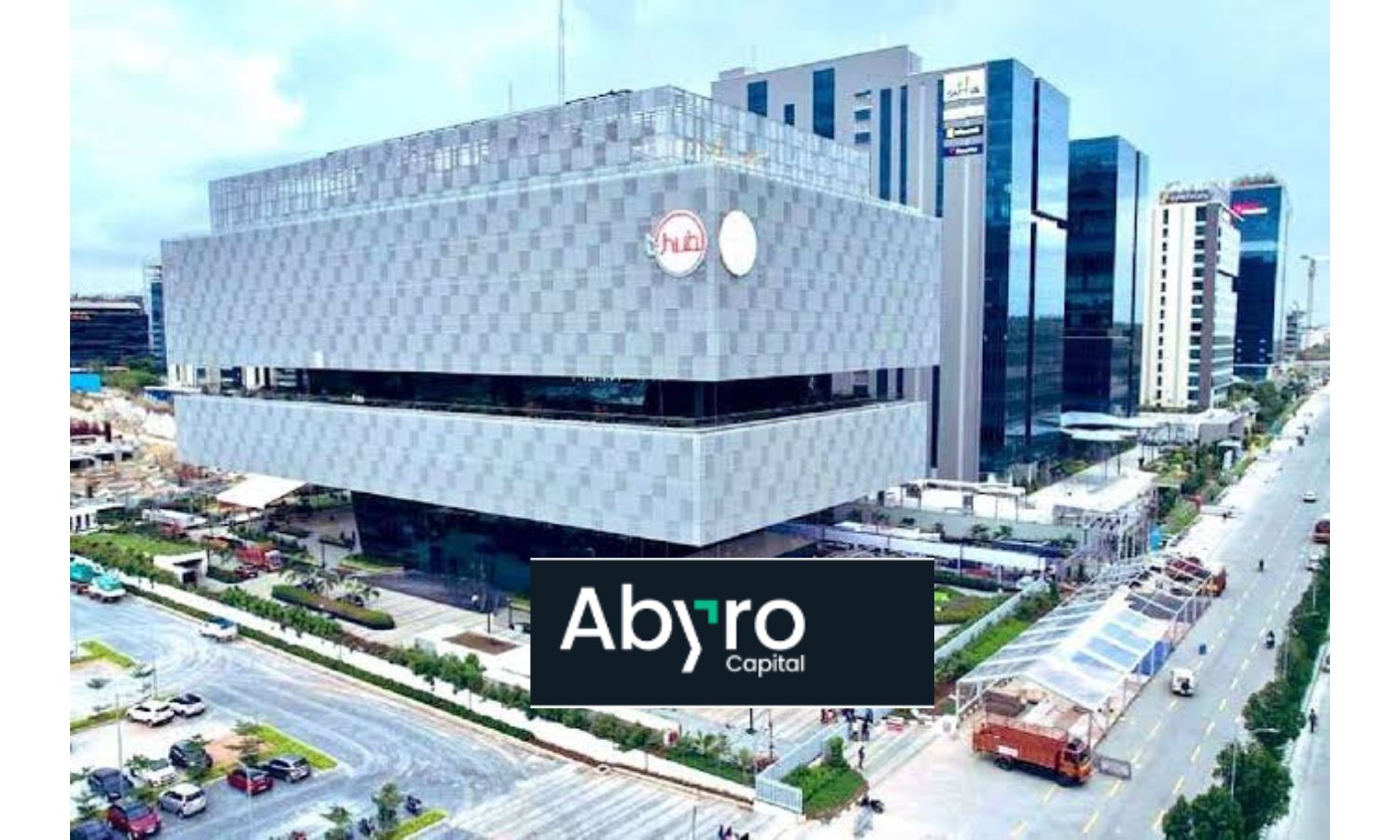
India now has rockets that reach orbit and satellites that sell data, but the hardest money to raise in space is still the first cheque — the funding a team needs to turn a lab prototype into something investable. On 3 August 2026, deep-tech venture firm Abyro Capital moved to fill that gap, launching a dedicated spacetech platform called Beacon in partnership with T-Hub, the Hyderabad-based innovation hub.
Beacon is built specifically for startups at the earliest, riskiest stages of hardware development — the point where an idea works on a bench but is nowhere near a product, and where conventional investors are hardest to convince.
How it works
The platform will select five startups working on technologies at technology-readiness levels (TRL) 2 to 4 — the stage where an idea has been formulated and validated in the lab but is far from a flight-ready product. Each selected company will receive a committed investment of US$500,000, along with access to follow-on funding as it matures.
Money is only half of it. The chosen startups join an intensive eight-week accelerator programme that pairs them with mentorship from established Indian spacetech founders and industry veterans, connections to strategic customers and partners, technical-validation support, and opportunities to showcase their products and keep fundraising. The timeline is tight: applications opened on 3 August 2026 and close on 21 August, with final results due on 30 September.
Why the earliest stage
The design of Beacon reflects a specific gap in India's otherwise booming space economy. Late-stage capital has flowed freely to the sector's marquee names — launch companies, earth-observation firms and satellite manufacturers that have each raised tens of millions of dollars. But pre-seed and seed funding for hardware-heavy space startups remains scarce, because deep-tech hardware takes longer to de-risk and is harder for generalist investors to evaluate than software.
By writing standardised early cheques and wrapping them in mentorship and customer access, Abyro and T-Hub are trying to manufacture more of the pipeline that later-stage funds depend on. T-Hub brings the incubation muscle and network; Abyro brings a deep-tech investment thesis and the capital. Together they are betting that the constraint at the bottom of the funnel is not just money but validation and a first customer.
A vote on the ecosystem
Beacon is modest in size — five startups and half a million dollars each is a small sum against the hundreds of millions now moving through Indian spacetech. But early-stage platforms tend to punch above their cheque size, because what founders lack at the outset is rarely money alone. If Beacon's first cohort produces even one or two startups that graduate to institutional rounds, it will have done its job: widening the base of a sector that, until recently, barely had one.
Sources
Tags
More from Space Technology
U-Space and AXISCADES Sign Cooperation Deal to Explore India's Microsatellite Market
French space company U-Space and Bengaluru's AXISCADES have signed a commercial cooperation agreement to jointly pursue India's microsatellite market, one of three India-France private space deals struck at the Paris International Space Summit.
RIDE! Targets Q3 2028 Launches for Two TakeMe2Space Satellites
The launch-services agreement covers mission management for two spacecraft in the Hyderabad company’s planned orbital-computing constellation. It is a future deployment commitment, not evidence that the network is operating.