
ISRO Opens India's Own Titanium Propellant-Tank Line at Tumakuru
On 3 September 2025 ISRO's LPSC opened an Integrated Titanium Alloy Propellant Tank Production Facility at Tumakuru, bringing in-house a specialised metallurgy, electron-beam-welded, lightweight titanium tanks, that only a handful of global suppliers could previously deliver.
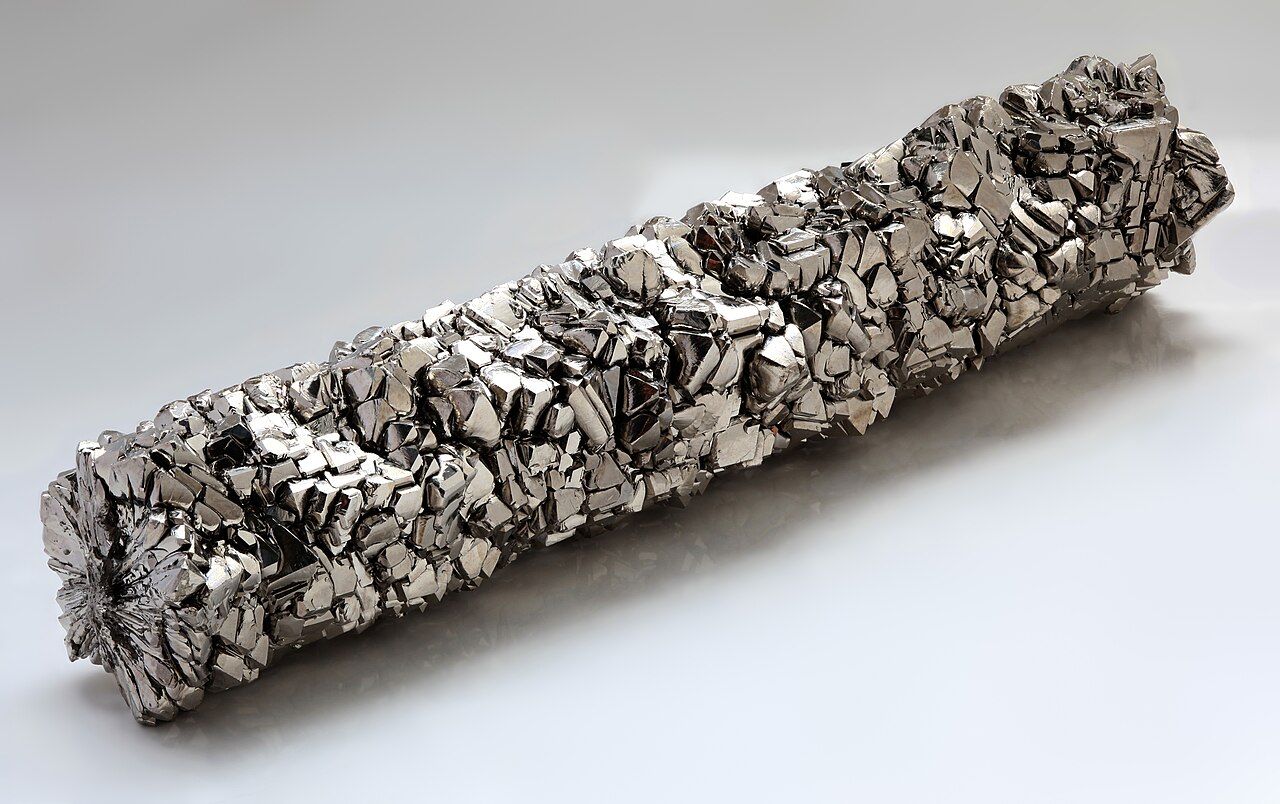
Rockets are, to a first approximation, flying fuel tanks. Every kilogram of tank that does not have to be there is a kilogram of payload that can be. That is why the facility ISRO's Liquid Propulsion Systems Centre (LPSC) opened at Tumakuru, Karnataka, on 3 September 2025 matters more than its low-key inauguration suggested.
What was opened
LPSC commissioned an Integrated Titanium Alloy Propellant Tank Production Facility (ITPF), alongside a Monopropellant Thruster Test Facility (MPTTF). The ITPF specialises in lightweight titanium-alloy propellant tanks, including the propellant management devices that keep liquids behaving predictably in the weightlessness of orbit, for spacecraft and for the PS4 upper stage of the PSLV.
It is a genuine end-to-end metallurgical line: electron-beam welding, precision machining, non-destructive testing and cleanroom assembly under one roof. Installed capacity is on the order of 22 spacecraft propellant tanks, six common-bulkhead tanks and six propellant-acquisition-system sets a year.
Why titanium, and why this is hard
Titanium alloys offer an exceptional strength-to-weight ratio and resist the corrosive, cryogenic and hypergolic propellants spacecraft carry, which is why they are the material of choice for high-performance tanks. But they are notoriously unforgiving to fabricate: titanium is reactive at welding temperatures, so joints must be made in tightly controlled conditions, exactly what electron-beam welding in a vacuum provides. Few organisations worldwide have mastered the full process chain.
The strategic point: supply-chain sovereignty
Until now, India sourced many of these specialised tanks from a small set of global suppliers, a dependency that brings cost, long lead times and the strategic risk of supply being throttled. As India's launch cadence rises and NSIL chases commercial business, that bottleneck becomes untenable. Domesticating titanium tank production removes a chokepoint and gives ISRO control over schedule and cost for one of a spacecraft's most critical structures.
The wider dividend
For the investor and industrial reader, the facility is a marker of India building the unglamorous middle of the space supply chain, not just rockets and satellites, but the high-end metallurgy and precision manufacturing beneath them. Those capabilities are dual-use by nature: electron-beam welding and titanium fabrication feed directly into aero-engines, medical implants and defence. A NewSpace ecosystem cannot scale on imported tankage; lines like Tumakuru's are what let it stand on its own.