
ISRO’s Planned ISTRAC Radar Research Facility Opens a Shared-Experiment Agenda
The proposed IARRF brings atmospheric and space-weather radar research into a common programme involving universities, industry and startups. ISRO has described its intended research scope, not operational performance.
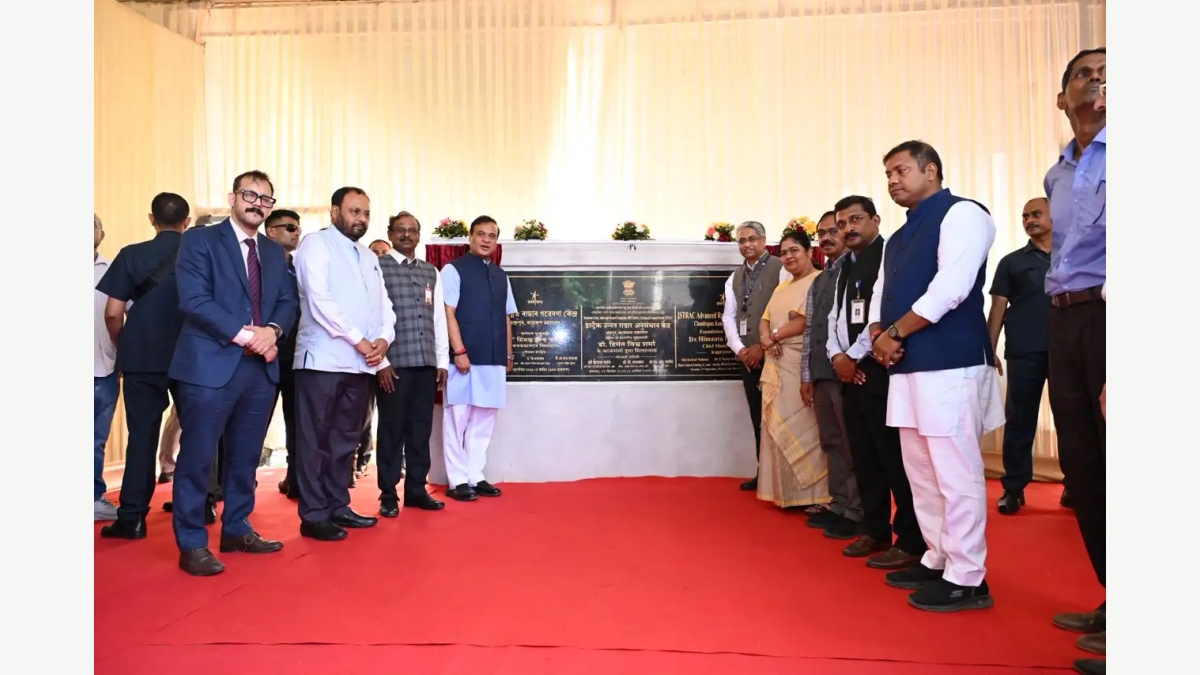
ISRO’s 1 October announcement outlines the ISTRAC Advanced Radar Research Facility, or IARRF, as a multidisciplinary centre being established for next-generation radar work. Its planned research spans the atmosphere, ionosphere, weather, clouds and space weather.
The distinctive feature is shared experimentation. ISRO envisages students, universities, research organisations, startups and industry using a common platform to conduct experiments, develop radar technologies and validate scientific models. That offers a route for ideas to encounter measured observations rather than remain separate laboratory exercises.
A research platform before a service claim
Radar systems transmit signals and study the returned or scattered energy. Turning those observations into useful scientific information requires suitable instruments, calibration and models. A common research programme can bring instrument development and model testing into the same discussion.
ISRO lists future applications in weather, navigation, communications and space research, with possible benefits for warnings and sectors including aviation and agriculture. These are intended applications. The announcement does not establish the accuracy of a new forecasting service, its coverage or operational availability.
What to watch next
The facility is described as being established. The release does not provide a commissioning date, radar frequencies, measured detection capability or published experimental results. Additional radars would require government approval where necessary.
The practical next milestones are therefore the instruments, access arrangements and experiments that researchers can actually run. A shared facility becomes valuable when outside teams can test a hypothesis, compare observations and publish reproducible results. IARRF’s stated agenda is an invitation to that kind of work; the announcement is the beginning of the programme, rather than proof that every proposed application is already functioning.