
HAL Koraput delivers its 2,000th aero-engine as India expands Shakti and AL-31FP production
HAL's Koraput Division in Odisha delivered its 2,000th aero-engine on 6 October, as Defence Minister Rajnath Singh unveiled ₹553 crore of expansions for the Shakti helicopter engine and the Su-30MKI's AL-31FP.
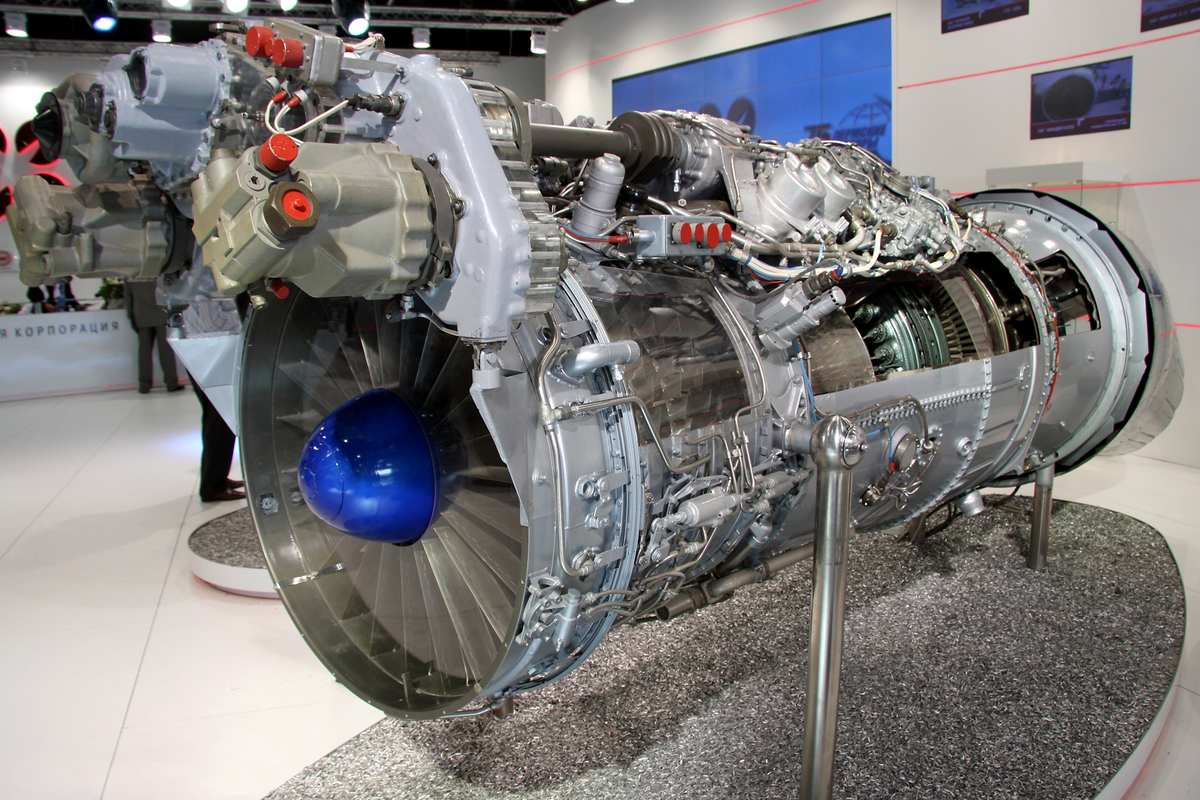
One of India's oldest aero-engine factories has crossed a symbolic line. On 6 October 2026, Hindustan Aeronautics Limited's (HAL) Koraput Division at Sunabeda in Odisha delivered its 2,000th aero-engine, with Defence Minister Rajnath Singh present for the occasion. Alongside the milestone, the government and HAL announced capacity expansions worth a combined ₹553 crore: a second production line for the Shakti helicopter engine and a step-up in output of the AL-31FP engine that powers the Indian Air Force's Su-30MKI fleet.
Six decades of engines in the Eastern Ghats
HAL set up its Koraput engine division in 1964, in the forested hills of southern Odisha. Over six decades the plant has built engines for some of the most important combat aircraft in Indian service, including the MiG-21, MiG-27, MiG-29 and the Su-30MKI. Beyond new-build engines, Koraput has also overhauled more than 9,000 engines, a figure the Defence Minister highlighted during his address.
That overhaul record matters. For an air force that operates a large fleet of Russian-origin aircraft, the ability to strip down, repair and certify engines at home is the difference between aircraft that fly and aircraft that wait on foreign spares. Much of Koraput's work has been licensed production — building engines designed abroad — but licence manufacture is also how engineering teams accumulate the metallurgy, precision machining, assembly and testing know-how that original design work eventually needs.
What is being expanded
According to reports based on the Ministry of Defence's announcements, two investments were unveiled:
- A second Shakti engine line (₹218 crore). The Shakti is the turboshaft engine that powers India's Advanced Light Helicopter Dhruv and the Light Combat Helicopter Prachand. The new line is designed for up to 100 engines a year and is to be fully established by 2028-29. Singh announced the line during the visit.
- More AL-31FP engines (₹335 crore). Annual capacity for the Su-30MKI's AL-31FP engine will rise from 30 to 50 engines.
On the AL-31FP, HAL also reported progress on the 240-engine order placed with it in 2024. The company delivered the first engine of that contract ahead of schedule and, by the end of the second year, had delivered 63 engines against a target of 60 — despite supply-chain disruptions that have affected defence manufacturers worldwide.
Why engines are India's hardest problem
Aero-engines are widely considered the most difficult piece of military aviation technology to master. They combine single-crystal turbine blades, high-temperature superalloys, coatings and extremely tight manufacturing tolerances, and only a handful of countries design and build modern fighter engines from scratch.
Against that background, adding domestic capacity for the engines India already uses is a pragmatic step. It does not solve the design gap, but it reduces exposure to external supply shocks, keeps fleets serviceable and builds the industrial base that a future indigenous engine will need.
The minister's call for an ecosystem
In his remarks, Singh called for stronger indigenous capability "in design, development, testing, manufacturing and MRO" (maintenance, repair and overhaul). He urged that an aerospace propulsion ecosystem be developed involving MSMEs, start-ups, industry, academia and research institutions, and asked HAL to make Koraput the hub of that wider effort, creating opportunities for local youth in the region.
That ecosystem framing is significant. Engine manufacturing depends on a long tail of suppliers — forgings and castings, special alloys, precision machining, sensors, test equipment and software. A Shakti line producing up to 100 engines a year, and an AL-31FP line at 50 a year, create steadier demand that smaller Indian suppliers can plan around. For start-ups working on additive manufacturing, inspection, digital twins and predictive maintenance, a high-volume engine shop is also a natural first customer.
What it means for India and beyond
For the armed forces, the immediate benefit is availability: more engines and faster overhauls translate into more Su-30MKIs and helicopters ready to fly. The Su-30MKI is the backbone of the Indian Air Force's fighter fleet, and the Dhruv and Prachand are central to Army and Air Force rotary-wing operations, including at high altitude.
For India's industrial strategy, Koraput's 2,000th engine is a reminder that self-reliance in aerospace is built in layers — licence production first, then deep localisation, then co-development, and only then fully indigenous design. India is currently pursuing that last step through separate programmes for a high-thrust fighter engine with foreign partners and continued work on Kaveri derivatives. Plants such as Koraput are where those programmes will eventually have to be industrialised.
There is also an export dimension. As India pushes to sell platforms such as the Dhruv abroad, a reliable domestic supply of Shakti engines and in-country MRO capacity make those offers more credible to foreign customers.
The milestone is a celebration of six decades of work. The harder test will be whether the ecosystem Singh described can turn manufacturing depth into design leadership in the decades ahead.
Sources
- https://www.thestatesman.com/india/hal-koraput-delivers-2000th-aero-engine-rajnath-calls-for-self-reliance-in-propulsion-technology-1503647725.html
Image: Vitaly Kuzmin via Wikimedia Commons, CC BY-SA 4.0. Archival 2009 AL-31FP photograph; resized and padded. Image adaptation remains CC BY-SA 4.0.