DRDO Describes Sensor and AI Work for Border Surveillance
A September 10 interview outlines development priorities and attributes first-generation counter-drone deployments to DRDO. It does not announce a unified operational border network.
Manik Gupta
Founder and editor of DeepTech India. Manik writes about India's frontier technology ecosystem — AI, semiconductors, space, quantum, robotics and biotech — translating research and policy into clear, reliable reporting.
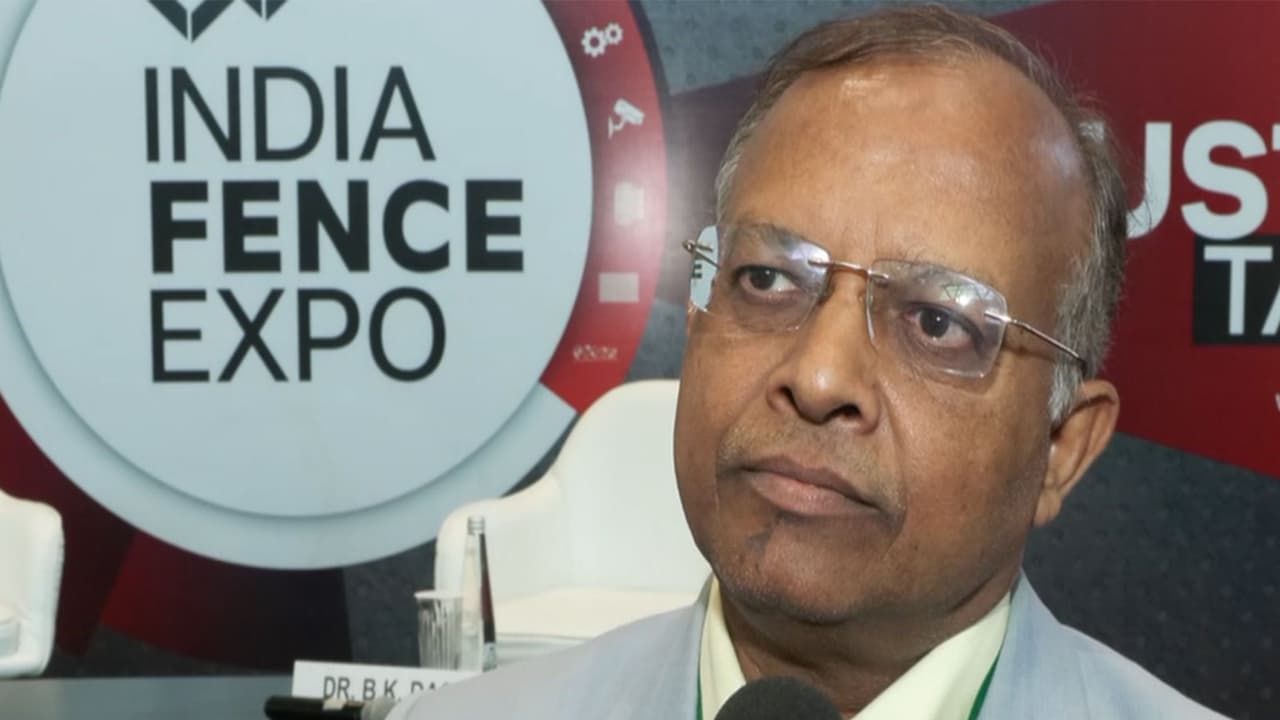
DRDO is developing sensor, communications and AI technologies for border surveillance, according to Electronics and Communication Systems director general B. K. Das. His September 10 interview with ANI, carried by Asianet, describes work across detection and response.
The interview lists fibre-optic intrusion sensing, cameras, infrared tracking, spectral imaging and radar technologies. These should not all be described as types of radar: the source lists several different sensing approaches.
What is developed, and what is being developed
Das said first-generation counter-drone systems had been transferred to industry and deployed at critical locations. He also described continuing work on AI-assisted threat identification and future systems.
These are attributed statements by a programme official. The report supplies no comparative test results or evidence that a single nationwide architecture has replaced existing equipment.
It also does not establish that a visual classifier can determine hostile intent, or that a particular identification algorithm already combines every sensor named in the interview.
Why it matters
Combining observations can help an operator interpret a situation, but operational usefulness depends on the errors as well as the detections. A meaningful evaluation would report performance under stated conditions and explain how uncertain classifications are handled.
For industrial partners, a further question is the boundary of responsibility. A technology transfer can support production, but it does not remove integration, qualification and support work. It should not be described as having eliminated the manufacturer’s development risk.
The next evidence to seek is a programme-specific trial or acceptance record with an identifiable system and scope. That would make it possible to report a concrete advance without turning a broad interview into a claim of field-wide transformation.
Image: B. K. Das during the ANI interview on DRDO’s sensor and AI work.
Tags
More from DefenceTech
IAF Opens Dronathon Trials for Unmanned Systems at Pokhran
The 14–16 September programme brings Indian drone and counter-drone systems into desert trials and includes a Vayu UTtaM demonstration.
DAC Gives In-Principle Approval to ₹1.10 Lakh Crore of Defence Proposals
The September 7 clearance includes marine-gas-turbine development and radar procurement. It signals intended work, rather than signed orders or delivered equipment.