Agnikul Raises at ~$500M as Tamil Nadu Takes a Rare Government Equity Stake
Agnikul is reportedly raising $50-75M at ~$500M, but the standout is Tamil Nadu's TIDCO taking a ₹25 crore equity stake, a rare government bet on a private Indian launch startup's 3D-printed engine moat.
Manik Gupta
Founder and editor of DeepTech India. Manik writes about India's frontier technology ecosystem — AI, semiconductors, space, quantum, robotics and biotech — translating research and policy into clear, reliable reporting.
Agnikul Cosmos is reportedly in talks to raise $50-75 million at a valuation near $500 million, a Series C round that, per multiple reports, was under negotiation around March 2026. More striking than the headline number is who sits on the cap table. Tamil Nadu's state industrial agency TIDCO invested ₹25 crore in the Chennai launch startup, among the first direct equity stakes by a government entity in a private Indian space company.
A government takes equity, not just contracts
The TIDCO investment came alongside HDFC Bank, 100X.VC and Artha, but it is the state's role that carries the signal. Governments typically support space startups through contracts, facilities access or grants. Taking equity is different: it puts public capital at risk on commercial terms and reads as a demand-side endorsement, a state betting that an indigenous launch capability has both strategic and financial value. To date Agnikul has raised roughly $75.5 million.
The 3D-printed engine moat
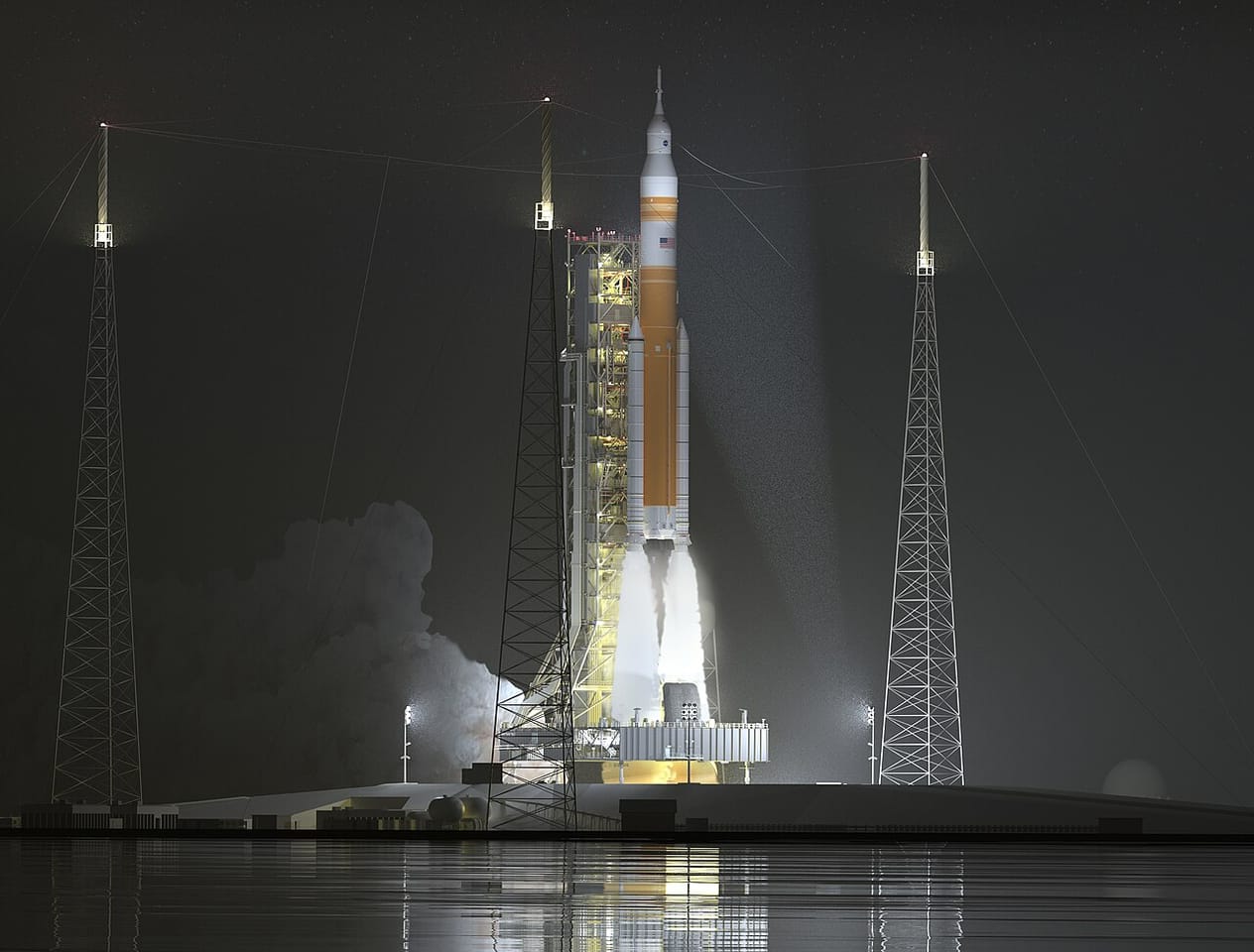
Agnikul's differentiation is manufacturing. Its Agnibaan rocket, targeting up to roughly 300 kg to low Earth orbit, is powered by the Agnilet, a semi-cryogenic engine 3D-printed as a single piece. Conventional rocket engines are assembled from hundreds of separately machined and welded components; printing the engine as one part eliminates joints, cuts part count and compresses production time, while every weld removed is a potential failure point removed. The Agnilet flew on the SOrTeD sub-orbital demonstrator in 2024, validating the approach in flight rather than only on a test stand.
The configurable architecture compounds the advantage. Agnibaan is designed to scale engine count to the mission, letting one printed-engine platform address a range of payloads. That flexibility, plus on-demand additive manufacturing, is the moat Agnikul is pressing against Skyroot and global small-launch rivals. The caveats are standard: the round is reported as "in talks" and unconfirmed, and Agnibaan has yet to reach orbit. But a government putting equity into a private launch firm is a notable demand-side marker for the sector.
Tags
More from Space Technology
U-Space and AXISCADES Sign Cooperation Deal to Explore India's Microsatellite Market
French space company U-Space and Bengaluru's AXISCADES have signed a commercial cooperation agreement to jointly pursue India's microsatellite market, one of three India-France private space deals struck at the Paris International Space Summit.
RIDE! Targets Q3 2028 Launches for Two TakeMe2Space Satellites
The launch-services agreement covers mission management for two spacecraft in the Hyderabad company’s planned orbital-computing constellation. It is a future deployment commitment, not evidence that the network is operating.