Precision Fermentation and India's Bid to Become the 'Fermentation Capital of the World'
StrainX Bioworks' $13M round and Alt Carbon's Microsoft carbon-removal offtake rest on the same bet: India's fermentation costs run a third to a quarter of the West, turning a cost base into a manufacturing moat.
Manik Gupta
Founder and editor of DeepTech India. Manik writes about India's frontier technology ecosystem — AI, semiconductors, space, quantum, robotics and biotech — translating research and policy into clear, reliable reporting.
The pitch is blunt. India's operating and capital costs for fermentation run at "one-third to one-quarter" of the United States and Europe, says StrainX Bioworks founder, which is why he argues "India is going to be the fermentation capital of the world." On 24 May 2026, that thesis attracted a $13 million round led by Prime Venture Partners and Leo Capital. Read alongside Alt Carbon's first Big-Tech carbon-removal contract, it sketches a coherent investment case: India's cost base is becoming a structural advantage in biology-driven manufacturing, just as it once did in software and generics.
Precision fermentation and the cost-arbitrage thesis
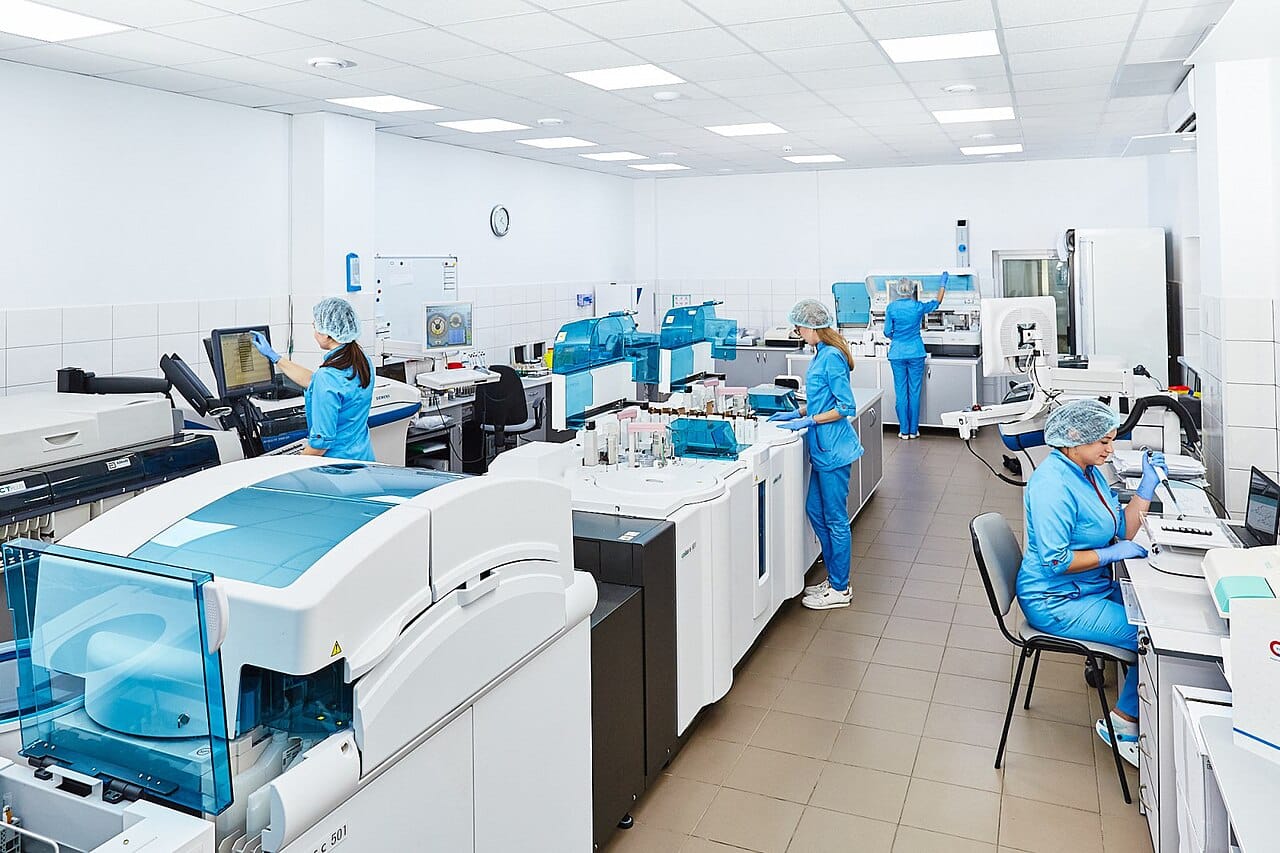
Precision fermentation uses engineered microbes as cell factories to brew specific high-value molecules, nutritional ingredients, flavours, proteins, rather than the bulk biomass of traditional fermentation. StrainX, based in Bhopal, is scaling such a platform, and one of its molecules already holds self-GRAS status in the US, meaning the company has self-affirmed it as Generally Recognized As Safe under FDA rules, a prerequisite for selling into the American food-ingredient market. Its capacity is 10,000 litres operational today, scaling to 100,000 litres by 2027 through a modular build-out that adds fermenter trains incrementally rather than in one large bet.
The economics are the whole argument. Fermentation cost is dominated by feedstock, utilities, labour and capex, and on each input India runs cheaper. If a molecule can be produced at a third to a quarter of the Western cost and sold into global markets at global prices, the gross-margin structure is compelling. That arbitrage, paired with the shared pilot infrastructure now being built under the BioE3 policy, is the basis for a credible contract-biomanufacturing industry: India as the place where the world's synbio molecules are actually fermented at scale. The caveat is that the "fermentation capital" claim is a founder's projection, not a demonstrated market position, and modular scale-up still has to clear real engineering and yield hurdles between 10,000 and 100,000 litres.
Durable carbon removal: the Alt Carbon offtake
The same cost logic extends to carbon. Bengaluru-based Alt Carbon signed an offtake agreement with Microsoft for 36,920 tonnes of CO2 removal by 2029 via enhanced rock weathering, the first major Big-Tech carbon-removal deal with an Indian supplier.
Enhanced rock weathering accelerates a natural process: finely crushed silicate rock spread on farmland reacts with CO2 and rainwater, sequestering carbon as stable bicarbonate while improving soil chemistry. Alt Carbon uses Rajmahal basalt across roughly 80,000 acres worked by 35,000-plus farmers. The model fits India unusually well, abundant basalt, vast agricultural land, and low-cost labour for spreading and monitoring, the same input advantages that make fermentation attractive. A Microsoft contract is also a durable, verifiable demand signal in a carbon market often criticised for low-quality credits; enhanced weathering offers measurable, long-duration removal that hyperscalers buying for net-zero targets are willing to pay a premium for.
The combined thesis, and its limits
Taken together, StrainX and Alt Carbon point to the same structural bet: biology-based manufacturing and carbon removal are cost-sensitive industries, and India's cost base plus emerging BioE3 infrastructure could make it a global production hub for both. For investors, the attraction is real moats built on input costs rather than transient subsidies.
The honest caveats remain. Both companies are early; StrainX's flagship capacity is not yet at commercial scale, and Alt Carbon must deliver verified tonnes against its 2029 commitment. Carbon-removal demand is concentrated in a handful of corporate buyers and remains policy-sensitive. But the direction is set, and the first marquee customers are now on the board.
Tags
More from Biotechnology
BIO-NIVESH Links Biotechnology Startups With Investors
The September 3 launch brought 20 ventures together with around 50 investors. It is an engagement platform, with future partnerships and technology progress still to track.
Ultrahuman Raises $70 Million for Wearables and Health-Intelligence Research
The September 3 financing backs Ultrahuman’s effort to connect wearable, blood and environmental data. The technical question is whether those signals produce useful, reproducible insights—not whether investor names validate the product.