
IIT Madras Builds a 'Nano-Injection' Chip for Breast-Cancer Drugs
IIT Madras and Australian partners built a silicon-nanotube platform that injects chemotherapy directly into breast-cancer cells, reporting a 23-fold lower effective dose while sparing healthy cells.
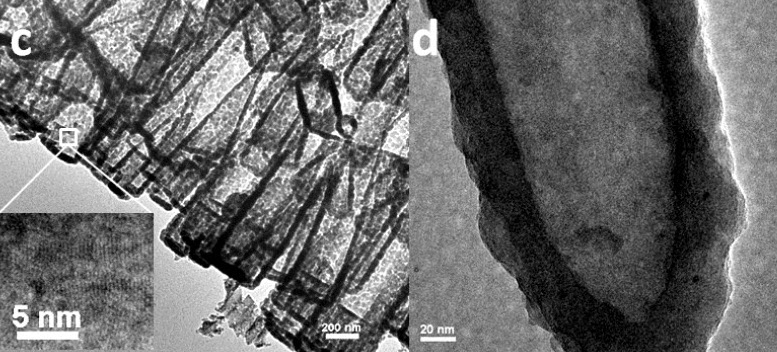
Researchers at IIT Madras, working with Australian partners, have built a silicon-nanotube "nano-injection" platform that delivers chemotherapy directly into breast-cancer cells. Announced around 22 December 2025, the system, dubbed NAD-SiNTs, carries the chemotherapy drug doxorubicin inside robust lipid carriers called nanoarchaeosomes and reports an effective dose (IC50) roughly 23 times lower than free doxorubicin in MCF-7 breast-cancer cells, while sparing healthy fibroblasts, with sustained release over as long as about 700 hours. The work, led by Dr. Swathi Sudhakar with Monash, Deakin and the Melbourne Centre for Nanofabrication, was published in Advanced Materials Interfaces.
Targeting, not flooding
Conventional chemotherapy's core flaw is that it is systemic: the drug circulates everywhere and poisons healthy and cancerous cells alike, which is why it causes such severe side effects and why dosing is limited by the patient's tolerance for toxicity rather than by what would kill the tumour fastest. The nano-injection approach inverts that. By delivering the drug into cancer cells directly through a nanofabricated array of silicon nanotubes, far less drug is needed for the same killing effect, hence the 23-fold drop in the effective dose, and far less spills over into healthy tissue.
The two pieces of nanotechnology doing the work are the nanoarchaeosomes, unusually stable lipid vesicles that protect the drug and release it slowly over time, and the silicon nanotubes themselves, a precisely fabricated platform that ferries the cargo into cells. Together they convert a blunt, body-wide poison into something much closer to a targeted injection delivered at the scale of a single cell.
An affordable-care framing
What makes the work notable beyond the laboratory is how its authors frame it. They explicitly pitch the platform for low- and middle-income settings: a smaller required dose means a lower drug cost per treatment, and carriers that are stable at room temperature suit health systems, like much of India's, where reliable cold-chain storage cannot be assumed. That is a deliberate design choice toward affordability and deployability, not just efficacy, and it reflects a growing instinct in Indian nanomedicine to engineer for the conditions in which the technology will actually be used.
The caveats are firmly those of early-stage science. This is a laboratory and ex-ovo result in cell and model systems, not a clinical trial, and the striking figures are preclinical. A 23-fold improvement in a dish does not guarantee a corresponding benefit in patients, and the path through human trials and regulation is long. But as a demonstration that Indian nanomedicine can produce quantified, well-targeted drug-delivery platforms with affordability built into the design, it is a strong marker.