Adani–Jabil Alliance Aims to Make AI Servers in India
Adani and Jabil will build liquid-cooled AI racks and power gear in India, moving from hosting compute to manufacturing it, with an import-substitution and export bet on a $250B ecosystem by 2035.
Manik Gupta
Founder and editor of DeepTech India. Manik writes about India's frontier technology ecosystem — AI, semiconductors, space, quantum, robotics and biotech — translating research and policy into clear, reliable reporting.
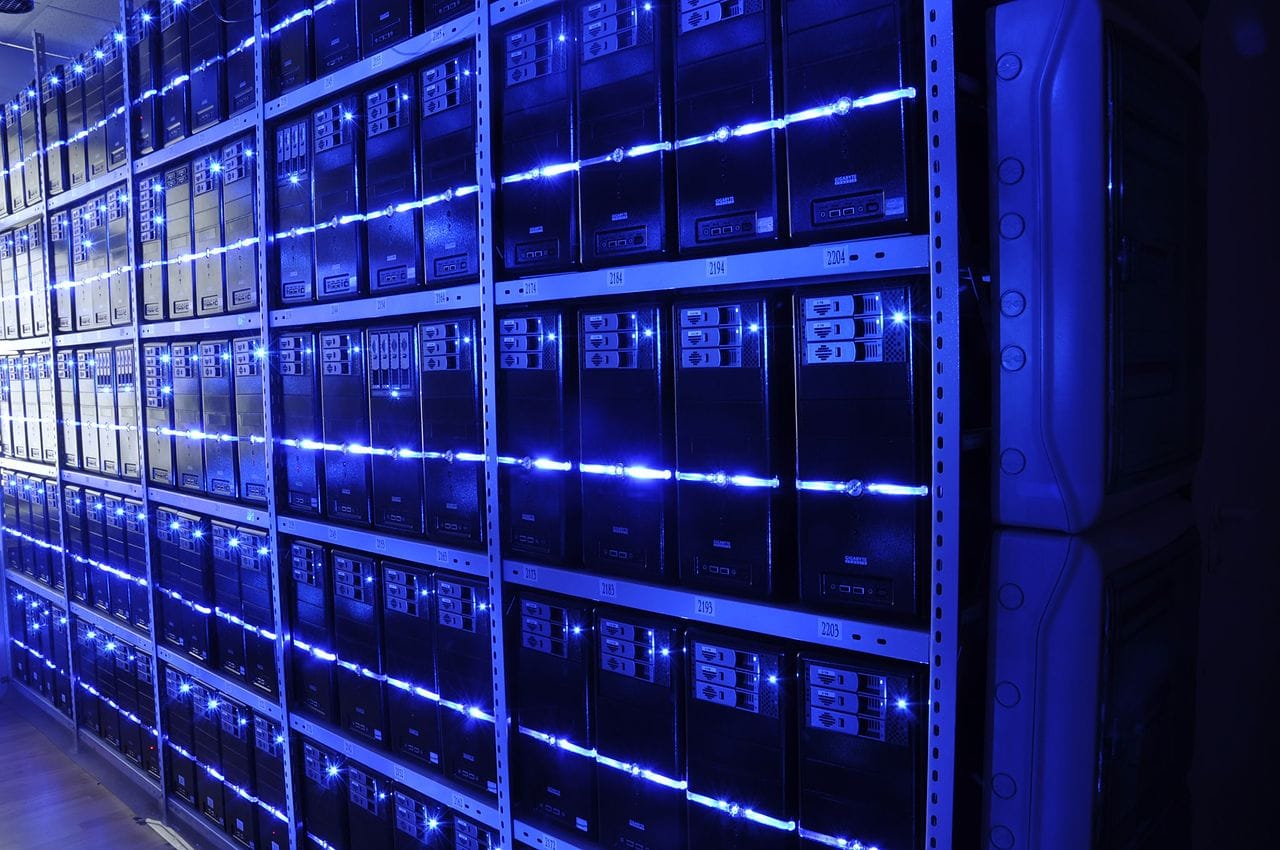
On 15 June 2026, the Adani Group and contract-manufacturing giant Jabil announced an alliance to build AI server hardware in India, an attempt to move the country's AI ambition upstream from hosting compute to manufacturing the machines that run it. The plan covers liquid-cooled server racks, power-distribution and coolant-distribution units (PDUs and CDUs), and the heavy electrical gear, transformers and switchgear, that AI data centres consume in volume.
From hosting compute to building it
For Adani, the logic is integration. The group has committed roughly $100B over a decade to AI data-centre infrastructure, with AdaniConnex targeting about 2 GW of capacity and a reported Google engagement near $15B. Manufacturing the racks and power equipment that fill those halls captures value that would otherwise flow to imported hardware, the classic import-substitution play, while building a base from which to export.
That export angle is what distinguishes the announcement. India already imports the overwhelming majority of its AI hardware. An Adani-Jabil line producing liquid-cooled racks and power systems domestically not only substitutes those imports but positions India as a potential AI-hardware export hub, with the partners framing a $250B AI-infrastructure ecosystem by 2035. Jabil brings the global electronics-manufacturing discipline; Adani brings the capital, land and power. It is a bet that AI infrastructure becomes a manufacturing industry, not just a services one.
A market still finding its floor
The ambition lands against a more sober funding backdrop. Indian agentic-AI startups raised about $60M in early 2026, making India the second-largest hub for agentic AI after the United States, even as total Indian startup funding fell to roughly $630M in May, down sharply year on year. The hardware bet is therefore a long-cycle wager placed during a soft market: capital flowing into physical AI-infrastructure capacity while the application layer remains comparatively thin. Whether the export thesis holds will depend on cost competitiveness against established Asian contract manufacturers, a test that begins, not ends, with the announcement.
Tags
More from Artificial Intelligence
Avathon and IIT Roorkee Plan a Physical AI Research Lab
The proposed Physical AI Lab will connect academic work on optimisation and autonomous systems with industrial problems. Its research agenda is announced; operational readiness and deployment results are not.
HyperVerge Introduces AI Agents to Assist Business-Loan Underwriting
Three agents assemble financial records, support video discussions and screen businesses. Company-reported pilot gains need to be judged alongside errors and human review.